
Pregnancy and the first year after birth, the perinatal period, bring enormous changes. Your body, your relationships, your routines, and even your sense of self may all feel different. While some describe this stage as magical and joyful, the reality can be more complicated. It’s also a time when worry, exhaustion, and unexpected emotions can take center stage.
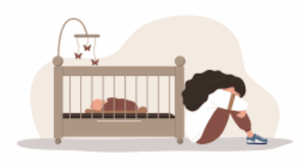
You might find yourself asking: Is my baby really okay? What if I can’t handle this? Why am I having scary thoughts I don’t want? These kinds of questions are much more common than many new parents realize. Emotional well-being during this period is just as important as physical health, yet it’s often overlooked.
It’s normal to feel tired, anxious, or uncertain in early parenthood. But if those feelings don’t ease up or if they start to interfere with your daily life, then it may be time to seek extra support. A therapist trained in perinatal mood and anxiety disorders (PMADs) can help you make sense of what you’re feeling and find a way forward.
Warning signs that extra support may help include:
- Ongoing sadness or hopelessness
- Feeling constantly worried or “on edge”
- Trouble bonding with your baby
- Intense guilt or shame
- Changes in sleep or appetite not explained by newborn care
- Thoughts of harming yourself or your baby
Perinatal mental health also includes the grief of pregnancy loss or the impact of a traumatic birth. A miscarriage, stillbirth, or frightening delivery can leave deep emotional scars, often made worse by feeling that others don’t fully understand. These experiences deserve care, compassion, and healing—not silence.
Through years of working closely with children and their caregivers, we’ve come to understand a vital truth: supporting young children means supporting the people who care for them. Recognizing the critical need for comprehensive postnatal care, we’re expanding our services to include evidence-based support throughout the perinatal and postpartum periods. Our team has pursued specialized training to ensure caregivers have access to trusted, high-quality care — delivered by clinicians who also bring expertise in early childhood development. Our clinicians are equipped not only to support clients through perinatal postpartum mental health challenges, but also to help navigate the many questions, concerns, and uncertainties that come with raising a young child.
At Caring Cove, we walk alongside parents through all of these challenges. Whether you’re navigating postpartum anxiety, depression, pregnancy loss, or birth trauma, you don’t have to do it alone. Seeking help is not a sign of weakness — it’s a brave step toward healing. By caring for your own well-being, you also create a healthier, more supportive environment for your baby and family.