If you’re reading this, I’m genuinely impressed. I know this message is landing somewhere between theme-week reminders, holiday events, unread emails, and a to-do list that keeps growing. And yet, here you are. During one of the busiest weeks of the year, you showed up.
Just like you’ve been showing up all year: in the messy, loud, unpredictable moments. I see you.
Before offering holiday tips, I want to pause and acknowledge something important: you are doing it and that deserves to be celebrated. Even if that’s a quick (and slightly awkward) “I’m proud of you” whispered to yourself in the bathroom mirror.
Our children learn how to be kind to themselves by watching how we treat ourselves.
As the year winds down, it’s easy to focus on what didn’t go well. Reflection can be helpful – but remember, what we focus on tends to grow. So, what if, instead of treating the new year like a resolution factory, we treated it as a moment to notice growth (your child’s and your own!)?
Try reflecting on:
- How has my child become more independent this year?
- What hard situations feel easier now for them and for me?
- What strengths showed up, even during challenging moments?
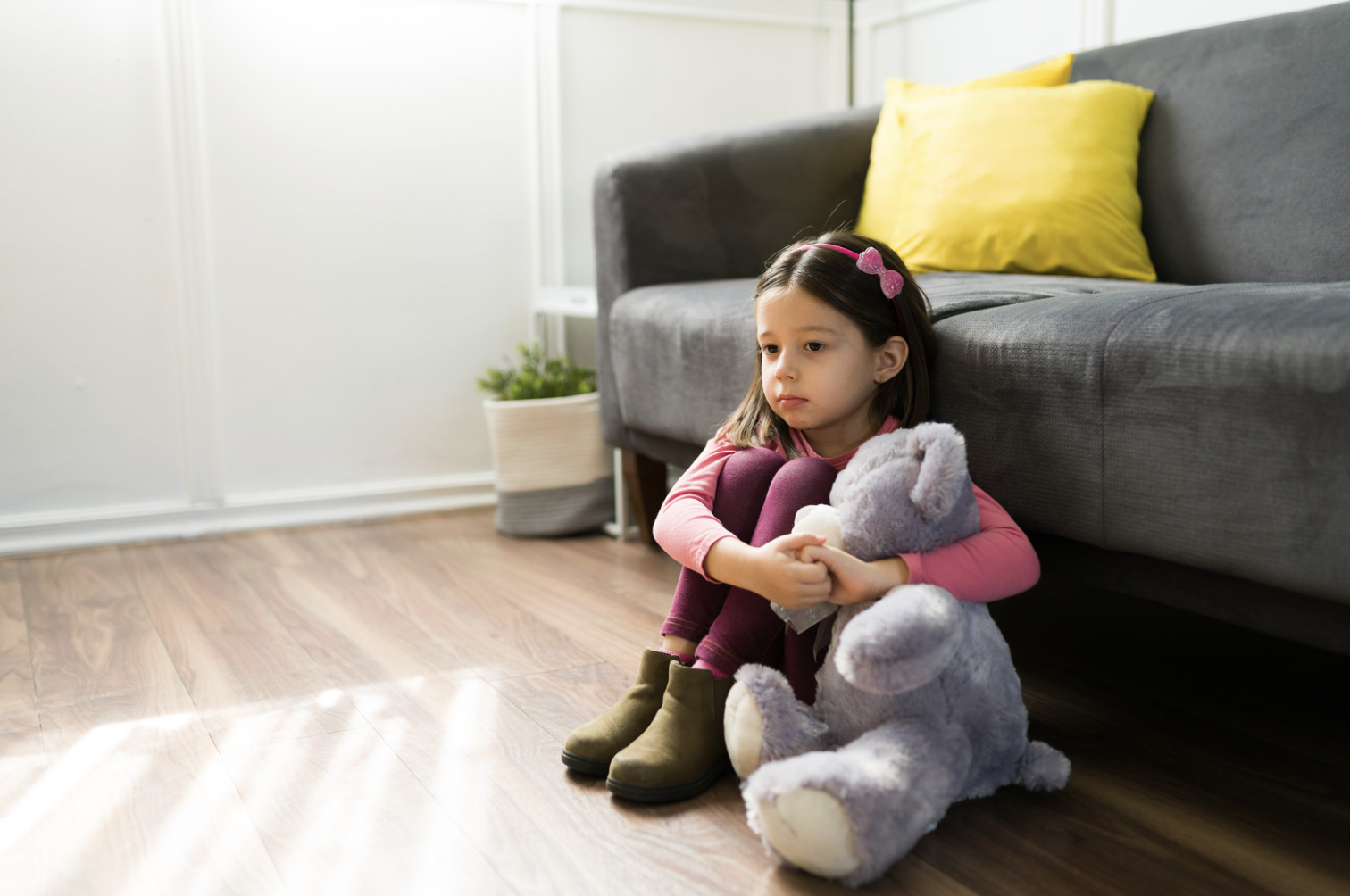
And keep in mind: big feelings and big behaviors are expected during the holidays. Schedules are unpredictable, stimulation is everywhere, and rest often takes a back seat. An increase in challenges doesn’t mean your hard work hasn’t paid off—it means it is December.
Quick Reminders for the Holidays
You don’t need rigid schedules—but anchor routines help children feel safe:
- Aim for 5 minutes of one-on-one time each day (I know—even five minutes can feel impossible when your to-do list is longer than Santa’s—but those five minutes truly matter)
- Consistent bedtimes and wake-up times when possible
- Regular meals and snacks
- Clear expectations for the day
Predictability helps kids feel secure, even in joyful chaos.
A Quick Tip for Lukewarm Gift Reactions (because they happen more often than we would like!)
If your child’s reaction is less Hallmark movie and more blank stare, resist the urge to correct or panic. Keep these reminders handy:
- This is developmentally appropriate.
- Gratitude is a skill, not a personality trait.
- This does not mean I’m a bad parent.
Model gratitude in the moment (“I love how much thought went into this”) and offer praise for small efforts (“I noticed you said thank you. That was kind.” or “Great job looking up at Aunt Jane.”). Later, when everyone is calmer, gently coach and role-play.
These moments aren’t failures—they’re opportunities.
And once again—you’re doing better than you think.
If you have concerns about your child’s behavior, anxiety, or emotional regulation during the holidays, please don’t hesitate to reach out. Wishing you a season filled with warmth, patience, and moments of connection—even in the messiness.